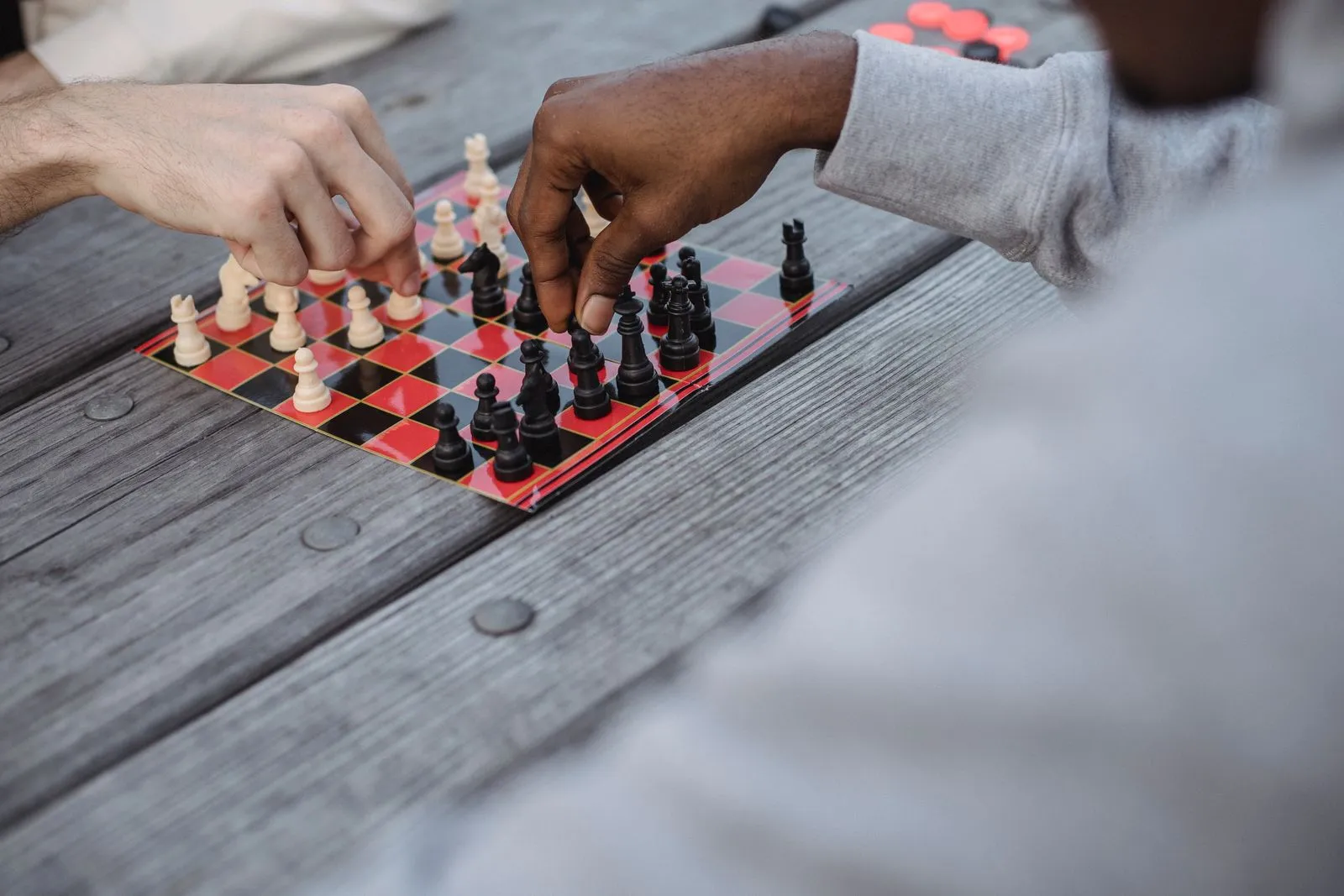
A social chess meetup is more than a series of games. It gives players a relaxed way to meet opponents, practice at different speeds, and discuss positions after the clock stops. The format varies by club, but most sessions follow a simple rhythm: arrive, find a pairing, play, and connect with others between games. Knowing a few basics beforehand can make your first visit easier, whether you are a beginner or a regular tournament player.
How a Session Usually Flows
When you arrive, check in with the organizer or ask how the group is arranging games. Some meetups use a sign-up list or a pairing board; others let players find opponents directly. You may be asked about your preferred time control or playing level so the organizer can suggest a suitable match. If you are unsure, say so. A clear question helps the group get you seated without slowing the session.
A typical visit includes several games, with breaks for conversation, refreshments, or reviewing a position. You do not have to play every round. Let your opponent or the organizer know if you need a pause, are leaving early, or would rather watch for a while. If the group uses clocks, confirm the time control before starting. Agree on who has White, set the clock correctly, and begin only when both players are ready.
Pairing With Courtesy
Ask before joining a game, even if two players appear to be finishing. A simple “Would you like another game?” gives them room to accept or decline. If a pairing system is in place, follow it rather than skipping ahead to play a particular person. Share your playing level honestly, and mention whether you prefer a casual game or a more competitive one. These details help both players choose a match they can enjoy.
During play, keep conversation brief unless both players have agreed to a chatty game. Avoid offering advice or commenting on a move while the game is underway. If you need to pause, adjust the board, or clarify a clock issue, do so calmly and agree on the next step. After the game, offer a handshake or a friendly thank-you, then ask whether your opponent would like to review the game or play again.
Reviewing Games Together
Post-game analysis works best as a shared discussion, not a verdict on who played well. Start by asking your opponent what they noticed or where the game felt difficult. Then return to key moments: a missed tactic, a choice between candidate moves, or a position where the plan became unclear. If you use an analysis app or engine, first compare your own ideas. The tool can help check a question, but the conversation should lead.
Keep feedback specific and respectful. Instead of saying a move was simply wrong, explain what response it allowed and invite your opponent to consider alternatives. Players may have different goals: one might want a quick recap, while another prefers to move on. Ask before setting up the position for a long review. At Montreal Blitz Chess, you can tell the group what kind of analysis you find useful, from a brief takeaway to a closer look at a critical sequence.
Joining In as a New Player
You do not need to know everyone or bring a prepared opening repertoire to take part. Introduce yourself to the organizer, mention your experience, and ask how pairings work. If you are new to chess, say that directly; many players are happy to choose a slower game or explain the clock and basic meetup routine. If you already play regularly, you can still ask for a casual opponent rather than assuming every game will be a rated or serious match.
Watching a game can be a comfortable first step, but ask the players before standing close or commenting. You can also join a conversation during a break, ask about upcoming sessions, or request a game when someone finishes. Bring a chess set or clock only if the club asks or you want your own; check the meetup details first. A polite introduction and a clear question are usually all you need to get started.
A good social chess meetup makes room for different playing levels, goals, and experience. Follow the pairing process, agree on game conditions, and treat analysis as a shared exchange. If you are curious, reach out to Montreal Blitz Chess to ask about the next session and how newcomers can join.